
Why Home Inspections are Important for Tenants
In programs that help individuals and families transitioning from homelessness find stable housing, routine home inspections play a vital role. These evaluations ensure that rental properties meet basic standards for safety, cleanliness, and livability. Whether you’re a current tenant, someone preparing to move in, a family member offering support, a service provider, or simply interested in quality housing, understanding inspections can provide reassurance. They are designed with residents’ well-being in mind, helping create homes that support health, security, and long-term stability.
Properties in these programs typically undergo inspections before move-in and on an annual basis afterward. This process confirms that the home is safe and habitable from day one and remains that way over time.

An inspector uses a tablet to document sink functionality during a home inspection.
How Do Home Inspections Work?
Home inspections are professional assessments of a rental property to verify it meets established standards by HUD for habitability. Trained inspectors systematically review the entire unit, checking for potential hazards and ensuring essential systems work properly.
There are a few main types of home inspections:
- Initial or move-in inspections: These happen before you move in, confirming the property is ready and safe for occupancy.
- Ongoing or annual inspections: Conducted periodically — often yearly — to make sure the home continues to meet standards as time passes.
- Special inspections: These can be scheduled if a concern arises, such as a reported maintenance issue.
The goal is straightforward: to protect residents by identifying and addressing problems early.
Note: Starting in 2026, these inspections will transition to new national standards called NSPIRE, which place even greater emphasis on health and safety conditions that directly affect daily life. This evolution builds on current practices to make housing standards more consistent and resident-focused.
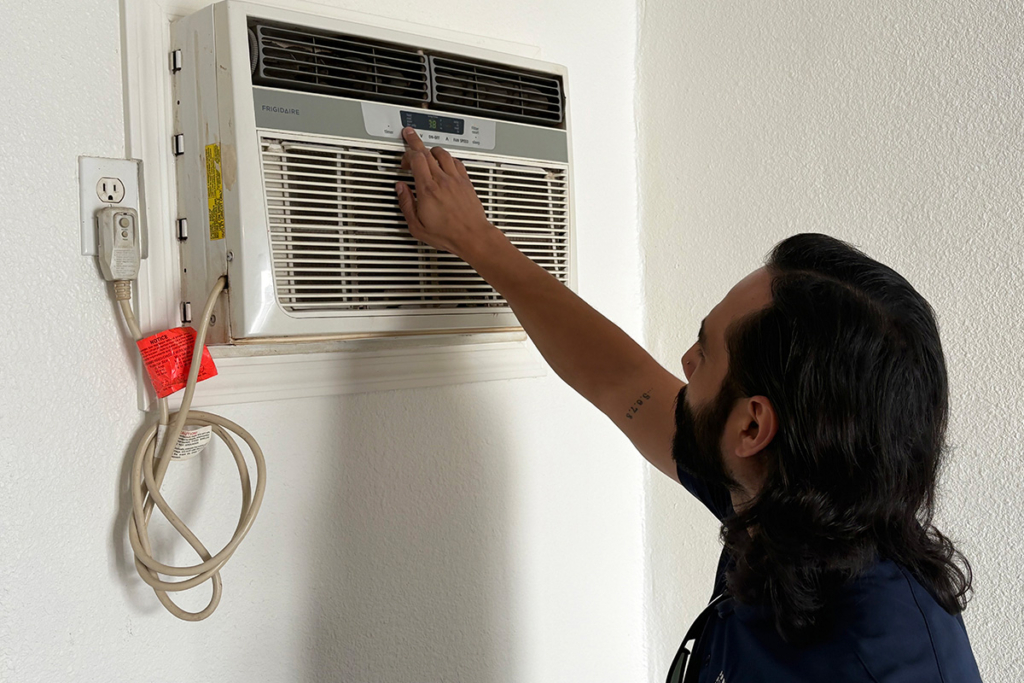
A home inspector checks window A/C temperature controls to ensure proper cooling.
Protecting Your Health and Safety
The primary reason inspections matter is simple — they safeguard your health and safety. A safe home is foundational, especially when rebuilding stability after hardship. Inspectors look for issues that could impact your daily life, ensuring the space is truly livable.
Key areas typically evaluated include:
- Electrical systems and lighting: Outlets and switches must work properly, with no exposed wiring. Adequate lighting and secure covers help prevent accidents.
- Plumbing and water: Fixtures like sinks, toilets, showers, and water heaters are checked for leaks, proper function, and sufficient hot water. Good plumbing supports basic hygiene and prevents water damage or mold risks.
- Heating, cooling, and ventilation: Systems must maintain comfortable temperatures and provide good air flow. This is crucial for health, particularly in extreme weather, and helps avoid issues like poor indoor air quality.
- Structural elements and safety features: Doors and windows should open, close, and lock securely. Floors and walkways must be free of tripping hazards and required smoke detectors must be installed and working. Proper access to and from the unit should be maintained, with clear walkways and unobstructed windows and doors to ensure safe exit in an emergency. These checks reduce risks of break-ins, falls, or fire emergencies.
- Kitchen and bathroom functionality: Appliances like stoves and refrigerators are tested for safe operation. Bathrooms require proper ventilation — either a working fan or openable window — to prevent mildew buildup.
By catching these issues early, home inspections help prevent small problems from becoming serious health concerns. For example, ensuring proper ventilation limits exposure to mold or stale air. For tenants and families starting anew, knowing your home has passed these checks provides valuable peace of mind.
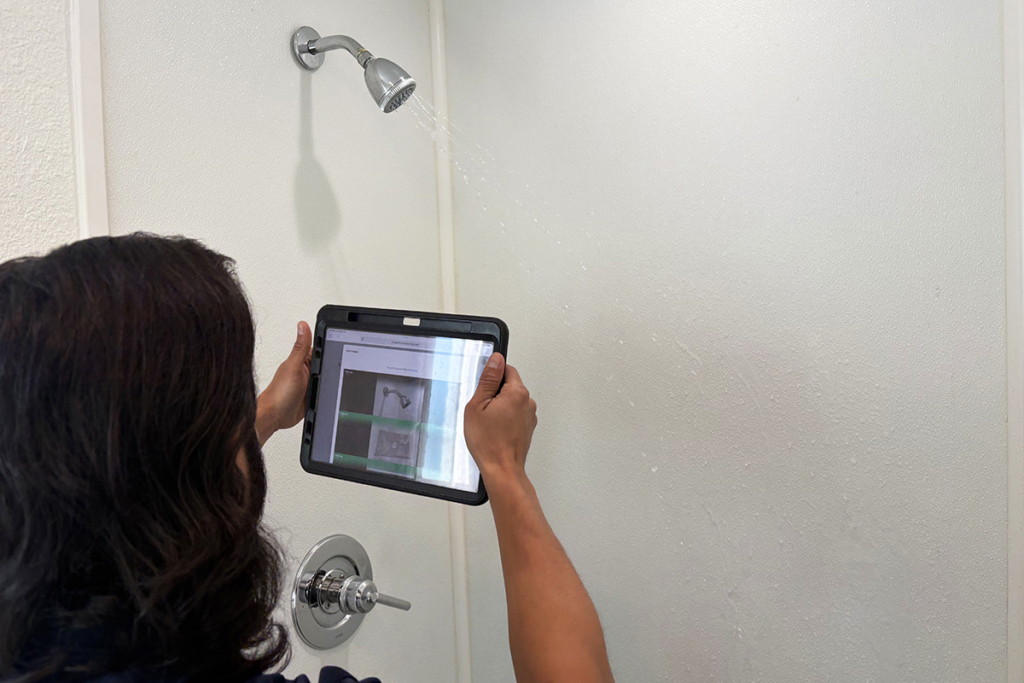
Documenting shower water flow helps ensure bathrooms meet habitability standards.
Empowering Tenants: Your Rights and Role
Inspections aren’t just about standards — they also empower you as a tenant. You have rights during the process, including receiving advance notice of scheduled visits and the option to be present. Attending an inspection allows you to see what’s being reviewed, ask questions, and gain a better understanding of your home’s condition.
Between inspections, if you notice a maintenance issue — such as a leaking faucet or a malfunctioning smoke detector — report it promptly to your landlord. This can trigger repairs or even a special inspection if needed. The documentation from home inspections creates an official record of the property’s state, which can protect you in cases of disputes over damage or responsibility for fixes.
For family members, loved ones, or service providers involved in the housing process, these inspections provide assurance. They confirm that the home meets objective criteria for safety and comfort, supporting a successful transition to independent living.
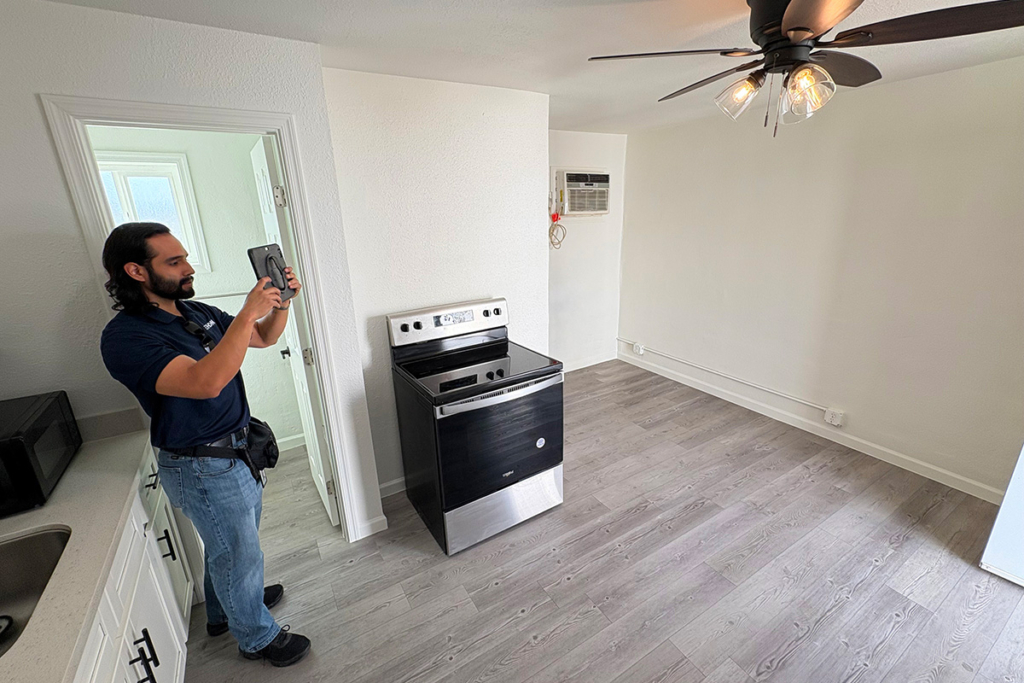
NSPIRE standards, launching in 2026, focus on health, safety, and livability for tenants.
Evolving Standards for Better Housing
As mentioned earlier, a change is coming in 2026 with the shift to NSPIRE standards. This updated approach focuses more intently on conditions inside the home that affect residents directly, such as community spaces, pest control, and overall livability. It aims to make home inspections more efficient while strengthening protections against health and safety hazards.
This transition reflects a continued commitment to improving housing quality, ensuring programs evolve to better serve tenants’ needs.