

Assistance Animals in Supportive Housing: What Landlords and Tenants Should Know
Animals can play very different roles in people’s lives. Those differences matter in housing. Terms such as pet, service animal, assistance animal, and emotional support animal are sometimes used interchangeably. However, they can have different meanings under federal law.
For housing purposes, assistance animal is an important term to understand. Under the Fair Housing Act, a person with a disability may request a reasonable accommodation for an animal that performs work, provides assistance, performs tasks, or offers disability-related emotional support. HUD does not consider a qualifying assistance animal a pet.
This distinction is especially important in supportive housing. Program participants using housing vouchers may encounter pet policies while searching for housing or after moving into a rental property. Landlords, participants, service providers, and housing program administrators all benefit from knowing when an animal should be treated as an assistance animal instead of a pet.
Key Takeaways
- Assistance animals are not considered household pets.
- Service and emotional support animals are different.
- Participants may request reasonable accommodations for assistance animals.
- Landlords must follow applicable fair housing requirements.
- Participants remain responsible for their assistance animals.

Understanding the roles of pets, service animals, and emotional support animals is key to fostering inclusive, stable housing partnerships—especially for individuals transitioning out of homelessness.
Pets, Service Animals and Emotional Support Animals: What’s the Difference?
Understanding the terminology is a good starting point. Different rules can apply depending on the animal’s role and the setting.
Pets
A pet is generally an animal kept for companionship. It is subject to a property’s normal pet policies. Depending on the property, those policies may address whether pets are allowed, how many are permitted, and whether pet deposits or fees apply.
A qualifying assistance animal is different. Housing providers do not treat it simply as a pet when a person needs the animal because of a disability.
Service Animals
Under the Americans with Disabilities Act (ADA), a service animal is generally a dog trained to perform work or tasks related to a person’s disability. Examples can include guiding someone who is blind, retrieving items, alerting someone to sounds, or assisting during a seizure.
The ADA definition matters in public places. Housing works differently. The Fair Housing Act provides broader protections for assistance animals in housing.
Emotional Support Animals
An emotional support animal provides disability-related emotional support. Unlike an ADA service animal, it does not have to perform a specific trained task.
In housing, an emotional support animal may qualify as an assistance animal if it helps reduce the effects of a person’s disability.
Assistance Animals
For housing purposes, assistance animal is the broader term. It can include an animal that performs disability-related work or tasks. It can also include an animal that provides disability-related emotional support.
An animal does not have to meet the ADA definition of a service animal to qualify for a reasonable housing accommodation.
What Assistance Animals Mean for Program Participants
A program participant with a disability may request a reasonable accommodation when an assistance animal helps them use and enjoy their housing.
Once housed, a program participant is also a tenant. A housing voucher does not remove applicable fair housing protections. It also does not remove the tenant’s responsibilities under the lease.
Requesting a Reasonable Accommodation
A reasonable accommodation is a change, exception, or adjustment to a rule, policy, practice, or service because of a disability.
With assistance animals, a common example is an exception to a property’s no-pets policy.
Participants should clearly explain that they are requesting a disability-related accommodation. They should not frame the request as simply asking for permission to have a pet. The request may also involve an exception to pet-related fees or restrictions.
When Documentation May Be Needed
Documentation requirements depend on the situation.
If both the disability and the disability-related need for the animal are clear, additional information may not be necessary. If either is not clear, a housing provider may request reliable information that supports the need for the accommodation.
Participants should not assume that an online certificate, registration, ID card, vest, or similar product automatically proves that an animal qualifies as an assistance animal.
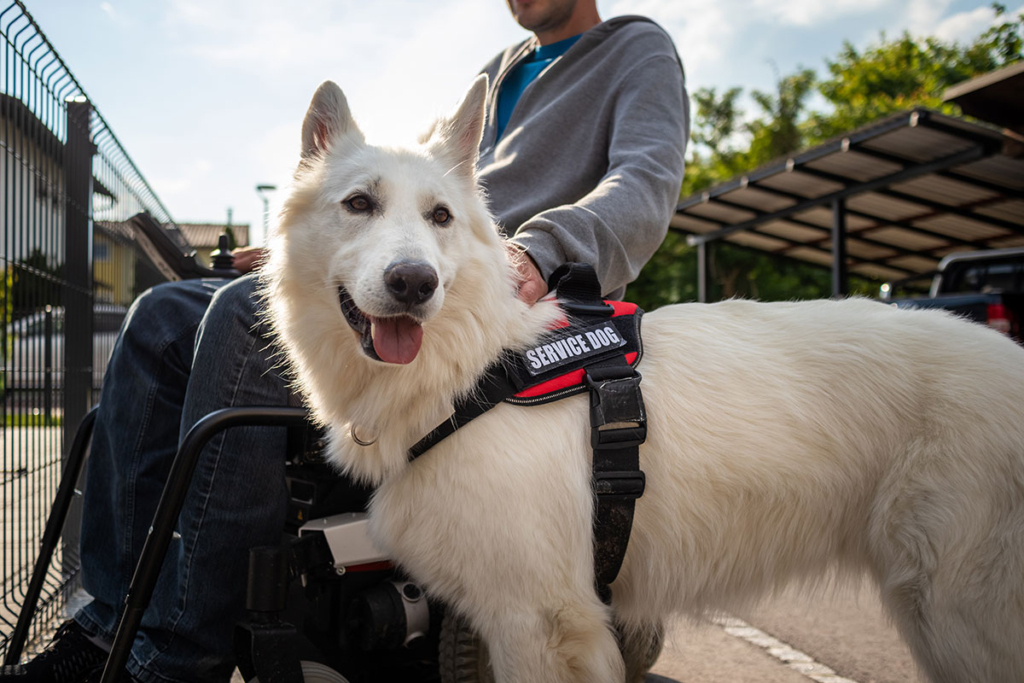
Service animals are specially trained to assist individuals with disabilities and are legally distinct from pets under the ADA and Fair Housing Act.
What Landlords Need to Know About Assistance Animals
Landlords and property managers who rent to supportive housing program participants should separate ordinary pet requests from disability-related accommodation requests.
The presence of an animal does not automatically make it a pet. A property’s existing pet policy also does not determine whether an assistance animal may live in the unit.
Assistance Animals Are Different From Pets
When an animal qualifies as an assistance animal, landlords must review the request under applicable fair housing requirements. They should not rely only on the property’s standard pet policy.
This distinction matters. A participant asking to have a pet and a participant requesting a disability-related accommodation are making different types of requests.
Pet Deposits and Pet Fees
Qualifying assistance animals are not considered pets. As a result, landlords generally cannot charge pet deposits, pet rent, or other pet-specific fees for them.
That does not remove the participant’s responsibility for the animal. Damage caused by an assistance animal is a separate issue from a fee charged simply because the animal lives in the home.
No-Pet Policies
A no-pets policy does not automatically prohibit an assistance animal.
Allowing a qualifying assistance animal despite a no-pets policy is a common example of a reasonable accommodation under federal fair housing requirements.
Evaluating Accommodation Requests
Landlords should review each accommodation request individually and follow applicable fair housing requirements.
They should not make decisions based on assumptions about a participant, disability, or animal. The first step is to understand whether the tenant is requesting a reasonable accommodation.
Can a Landlord Deny an Assistance Animal?
A landlord cannot deny a qualifying assistance animal simply because the property does not allow pets. However, not every request involving every animal must automatically receive approval.
HUD guidance gives housing providers a framework for evaluating whether an accommodation is disability-related and reasonable.
Landlords should consider the specific circumstances of each request. They should avoid generalized assumptions and apply fair housing requirements to the individual situation.
Because accommodation requests can involve legal requirements and unique circumstances, landlords and participants should seek appropriate guidance when questions arise.
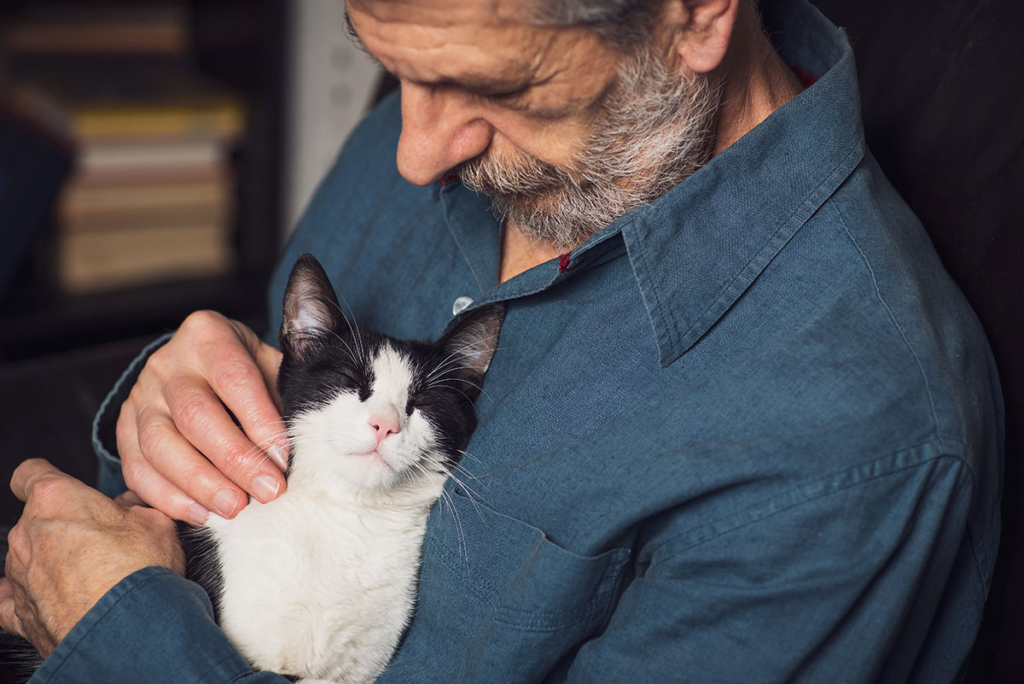
Emotional Support Animals (ESAs) offer vital emotional support for individuals with mental health conditions and are protected under Fair Housing law, even without specialized training.
Participant Responsibilities With an Assistance Animal
An approved assistance animal does not remove a participant’s responsibilities as a tenant.
Participants remain responsible for caring for and managing their animals. They must also follow lease requirements that do not conflict with the approved accommodation.
Having an assistance animal does not exempt a participant from expectations involving property care, health and safety, or avoidable disturbances.
Participants may also be responsible for actual damage caused by an assistance animal. The key difference is between paying for actual damage and paying a pet-specific fee simply because the animal lives in the unit.
Assistance Animals in Supportive Housing Programs
Supportive housing programs bring together participants, landlords, service providers, housing program administrators, and other community partners. Understanding assistance animals can make housing search, lease-up, and ongoing tenancy easier for everyone.
Participants using housing vouchers retain applicable fair housing protections when seeking and maintaining housing. At the same time, they remain responsible for meeting lease and program requirements.
Landlords provide the rental housing and maintain the landlord-tenant relationship with the participant. They should recognize when an animal-related request may involve a reasonable accommodation instead of an ordinary pet request.
Service providers can help participants understand the accommodation process, communicate their needs, and find reliable resources. This support can be especially helpful during housing search and lease-up.
Housing program administrators and other stakeholders also benefit from understanding these distinctions. Clear information can help prevent confusion throughout the tenancy.
Communication Can Prevent Misunderstandings
Assistance-animal requests can involve personal circumstances, property policies, and legal requirements. Clear communication can make the process easier.
Participants should clearly state when they are requesting a reasonable accommodation rather than simply asking permission to have a pet.
Landlords should recognize accommodation requests and review them under applicable fair housing requirements. They should not rely only on standard pet policies.
Service providers can help participants understand the process and communicate effectively. They should also respect the separate responsibilities of the participant and landlord.
Understanding the differences among pets, service animals, emotional support animals, and assistance animals gives everyone a stronger foundation for handling these situations.

Landlords must follow strict rules when asking about service and emotional support animals to ensure fair housing and avoid discrimination.
Frequently Asked Questions
Are assistance animals considered pets?
No. A qualifying assistance animal is not considered a pet under HUD’s fair housing guidance. This is why ordinary pet policies may not apply.
Can a landlord charge pet rent for a service animal?
Generally, no. Qualifying service animals are assistance animals rather than pets. Pet rent and other pet-specific fees generally do not apply.
Can a landlord charge a pet deposit for an emotional support animal?
Generally, no. A qualifying emotional support animal is treated as an assistance animal for housing purposes. Ordinary pet deposits generally do not apply.
Can a landlord deny a service or assistance animal?
A landlord cannot deny a qualifying assistance animal simply because the property has a no-pets policy. Housing providers must review accommodation requests under applicable fair housing requirements.
Can a landlord ask for documentation for an assistance animal?
In some cases. If the disability or the disability-related need for the animal is not clear, a housing provider may request reliable supporting information.
Is an emotional support animal the same as a service animal?
No. Under the ADA, service animals perform trained disability-related work or tasks. Emotional support alone does not make an animal an ADA service animal. In housing, however, an emotional support animal may qualify as an assistance animal.
Does a no-pets policy apply to assistance animals?
A housing provider may need to make an exception to a no-pets policy for a person with a disability who needs a qualifying assistance animal.
Does having a housing voucher change assistance-animal protections?
No. Having a housing voucher does not remove applicable fair housing protections. Program participants may request disability-related accommodations while still meeting lease and program requirements.
Is a participant responsible for damage caused by an assistance animal?
Yes, they may be. An exemption from ordinary pet fees does not necessarily remove responsibility for actual damage caused by the animal.